


The state’s long-overdue budget delivers on GOP goals like exiting a controversial climate control initiative while funding expected line items like schools.
After more than four months of political gridlock, Pennsylvania lawmakers have approved a $50.09 billion budget for the 2025–26 fiscal year. The budget brings long-awaited relief to schools and state agencies while enacting major policy shifts that could spell lasting impacts for the Pittsburgh region.
The budget delivers more than $900 million in new education funding, including $565 million in adequacy payments to close gaps between low-income and wealthier school districts. Pittsburgh Public Schools, along with 18 other districts in Allegheny County, are among the recipients of this targeted aid.
However, some embittered education leaders, including the Pennsylvania State Education Association, claim the delay has caused significant disruptions. Pittsburgh Public Schools reports it has missed out on roughly $95 million in state payments since July. The district has frozen hiring for non-essential positions and postponed vendor contracts.
One of the most significant policy decisions in the new budget is Pennsylvania’s formal exit from the Regional Greenhouse Gas Initiative (RGGI), a program combining efforts between states to reduce carbon emissions from power plants. Pennsylvania’s participation, initiated by former Gov. Tom Wolf in 2019 via executive order, had been tied up in court challenges and political debate for years.
Republican lawmakers had adamantly pushed for the withdrawal, arguing the cap-and-trade system imposed unnecessary costs on energy producers. GOP leaders hailed the budget deal for removing a regulatory burden on the state’s energy sector. The decision will massively impact the Pittsburgh region, as many regional steel and coal businesses would have been prime targets for carbon emission regulation.
“By getting out of RGGI and making significant strides in permitting reform, Pennsylvania is poised to take advantage of the economic opportunity under our feet by jumpstarting our energy industry, driving investment from tech companies and removing government as an impediment to growth while holding state bureaucrats accountable,” said House Republican Leader Jesse Topper.
One commentary for the Allegheny Institute of Public Policy noted that following through on RGGI, “would significantly raise the cost of doing business in the commonwealth through higher electricity rates and with negligible environmental benefits,” adding, “It is no hyperbole to state that RGGI would have destroyed Pennsylvania’s electric-generating industry.”
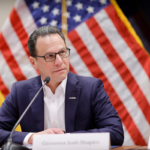
Environmental activist groups criticized the move, with the Sierra Club’s Pennsylvania chapter calling the decision a setback for clean energy development. Gov. Shapiro defended the compromise against his left-wing peers, stating the exit removes a political roadblock and allows the state to move forward with alternative energy policies.
One of the major disappointments for the Pittsburgh region is the absence of new funding for public transit. Pittsburgh Regional Transit had requested an additional $100 million to maintain and expand services, but will still receive between $290 million and $300 million—roughly the same as last year. Transit officials warned that without increased investment, future service cuts or fare hikes may take place.
While the budget won bipartisan support, some Republican lawmakers voted against it, citing concerns over fiscal sustainability. Sen. Dawn Keefer, R-York, called the spending plan “economic chaos,” warning that it increases expenditures by nearly $7 billion over projected revenues.
“We are going to spend almost $7 billion more than we take in from taxpayers,” Keefer said. “Pennsylvanians deserve much better than this.”