



The debate about Pennsylvania’s school choice system reached a new level with the introduction of a new tax credit.
Pennsylvania is an increasingly active battleground in the national debate over school choice, as lawmakers, education advocates, and political leaders wade further into the issue. After years of lagging performance indicators and unsuccessful reform efforts, some lawmakers increased pressure on Pennsylvania to consider new voucher-based and tax credit programs that would expand education options for families. The push has drawn in high-profile voices in Harrisburg and Washington, creating a crowded policy fight heading into next year’s midterms.
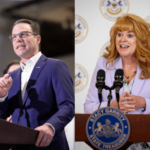
While Gov. Shapiro sits at the center of that debate, other elected officials have garnered national attention, including Sen. Dave McCormick. After facing pressure from taxpayers, Shapiro said he is open to certain voucher initiatives but has not committed to adopting the new program, citing the need for federal guidance on how it would interact with the state’s existing tax-credit structure. His caution frustrates critics, who contend that the administration has not provided a clear path for improving conditions in struggling school districts.
The Working Families Tax Cut Act, a bipartisan bill that passed in July with support from Sen. Dave McCormick and several Republican and Democrat lawmakers, influenced changes in school choice policy. The legislation allows taxpayers to receive a dollar-for-dollar federal tax credit – up to $1,700 – for donations that fund private-school vouchers and scholarship opportunities for low – and middle-income students. Four states – North Carolina, Tennessee, South Dakota, and Nebraska – already opted into the program, with others, including Arkansas and Virginia, signaling they are preparing to participate. Supporters say the credit offers states a tool to expand school choice without diverting state dollars away from public schools.
While Gov. Shapiro cited the need for federal oversight as a factor in the state’s delayed decision making; the federal program could operate alongside the state’s long-standing Educational Improvement Tax Credit and Opportunity Scholarship Tax Credit systems. Shapiro argues “it is not yet clear” how the new initiative would integrate with those frameworks or how much participation might cost the state administratively.
Recent data on academic performance has significantly intensified the debate. A 2024 national assessment found that 45 percent of Pennsylvania’s 12th-grade students could not pass basic math exams, while 37 percent of eighth graders demonstrated similar deficiencies. Many argue by allowing students a say in their education, scores would improve. Critics cited fear of increased discrimination and lack of government oversight as the only reasons the policies would not be successful. With no decision coming from the governor yet, Sen. McCormick and others argued the state was in a “holding pattern”, without a clear direction on where to go. The state enters 2026 still weighing whether to embrace new school choice options or double down on just adding dollars with no reforms to schools across Pennsylvania.