


The announcement reverses a Biden-era rule that was finalized in 2024.
The Trump administration recently announced that it is reversing course on an air pollution rule for coke ovens. The administration will grant two-year waivers to coke oven plants for the rule previously issued under the Biden administration.
The Biden-era rule, finalized in 2024, aimed to lower the amount of pollution from heating coal at high temperatures to make coke, a key component of the steelmaking process.
The Biden-era rule was set to take effect in July, but the Trump administration released its own rule that month that would delay the Biden administration’s rule by two years.
In October, the Trump administration withdrew its rule, allowing the Biden-era rule to stand. In November, the administration announced it would grant companies two-year exemptions from the Biden-era rule.
Under the Clean Air Act, the president is allowed to grant two-year exemptions “if the President determines that the technology to implement such standard is not available and that it is in the national security interests of the United States to do so.”
In a statement from the White House that detailed the announcement and exemptions, the administration claimed both, saying the technology is not available and that there are national security concerns at play.
“The Coke Oven Rule places severe burdens on the coke production industry and, through its indirect effects, on the viability of our Nation’s critical infrastructure, defense, and national security,” wrote the White House about national security burdens the Biden-era rule causes.
The White House also explained that the necessary technology does not yet exist, writing, “Specifically, the Coke Oven Rule requires compliance with standards premised on the application of emissions-control technologies that do not yet exist in a commercially demonstrated or cost-effective form. Many of the testing and monitoring requirements outlined in the Coke Oven Rule rely on technologies that are not practically available, not demonstrated at the necessary scale, or cannot be implemented safely or consistently under real-world conditions.”
The original rule by the Biden administration established tighter limits on equipment leaks and set limits on different types of hazardous air pollutants, such as mercury and benzene.
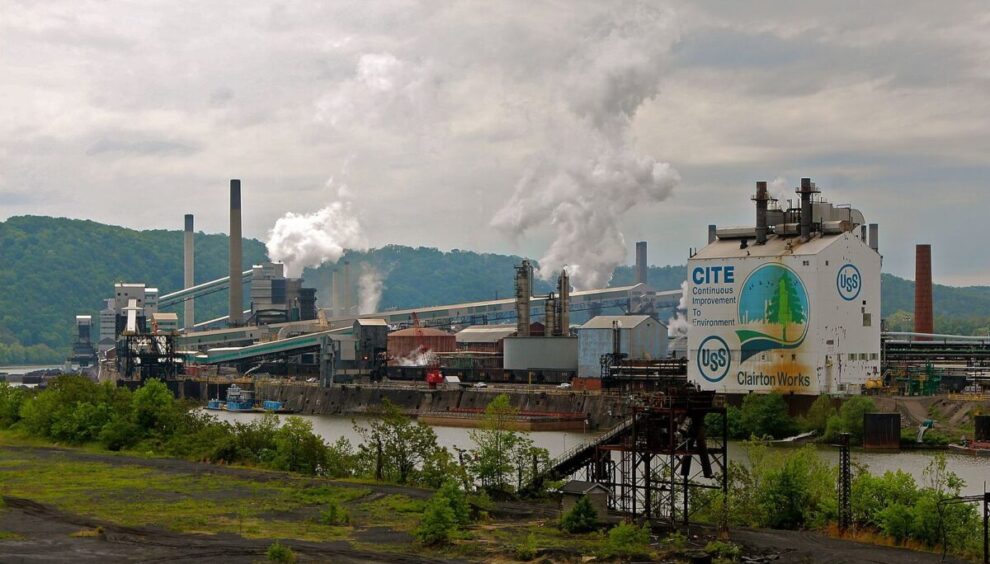
U.S. Steel in Pittsburgh applauded the president’s decision to grant the exemptions.
“The decision to grant this exception is a positive step toward preserving American jobs and domestic steel production. Industries like ours must be able to rely on and play by rules that are well-grounded in science and law, which is why we challenged the [rule] legally and sought the presidential exemption,” wrote the Pittsburgh-based company.